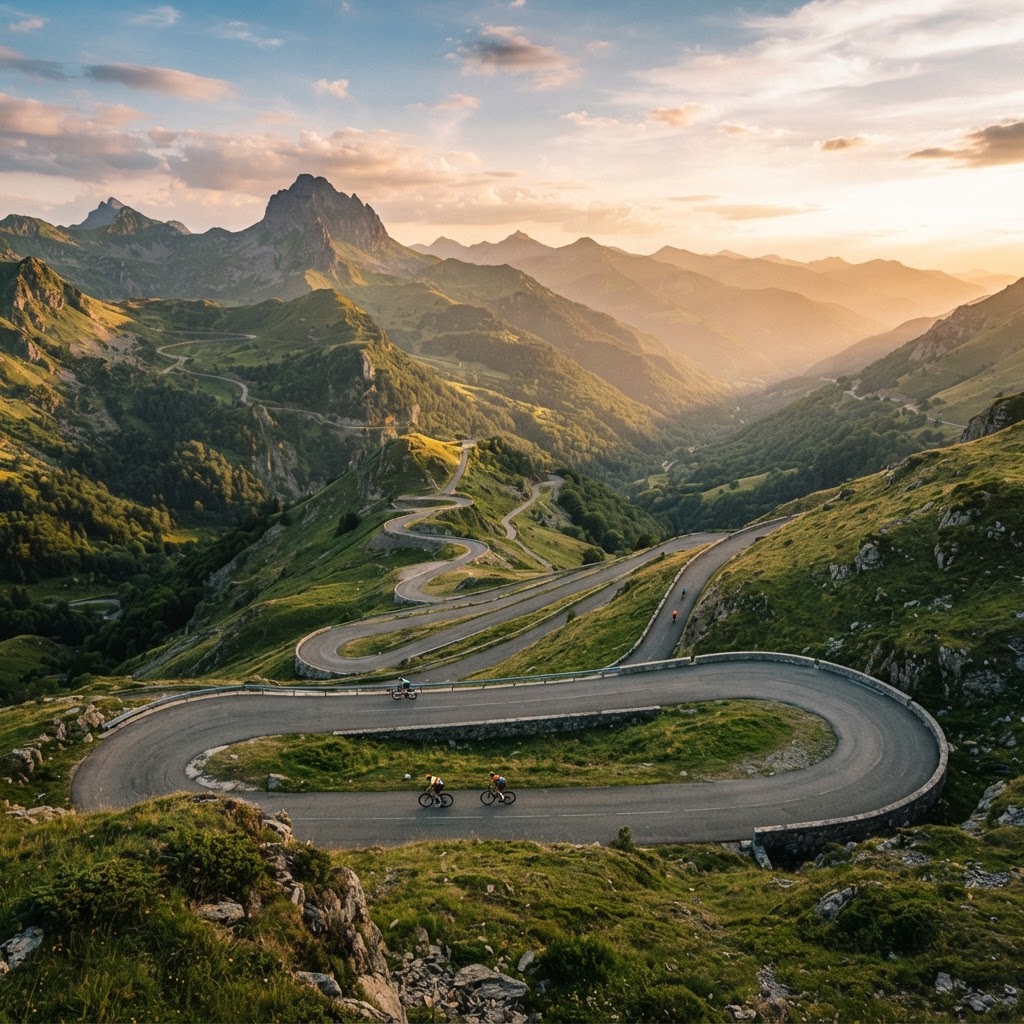
Tourmalet Bike Trails
Explore the best Tourmalet mountain bike trails for epic alpine adventures, scenic valley rides, family outings, and challenging singletrack. Use this guide to find where to ride in Tourmalet and discover the trails that match your style.
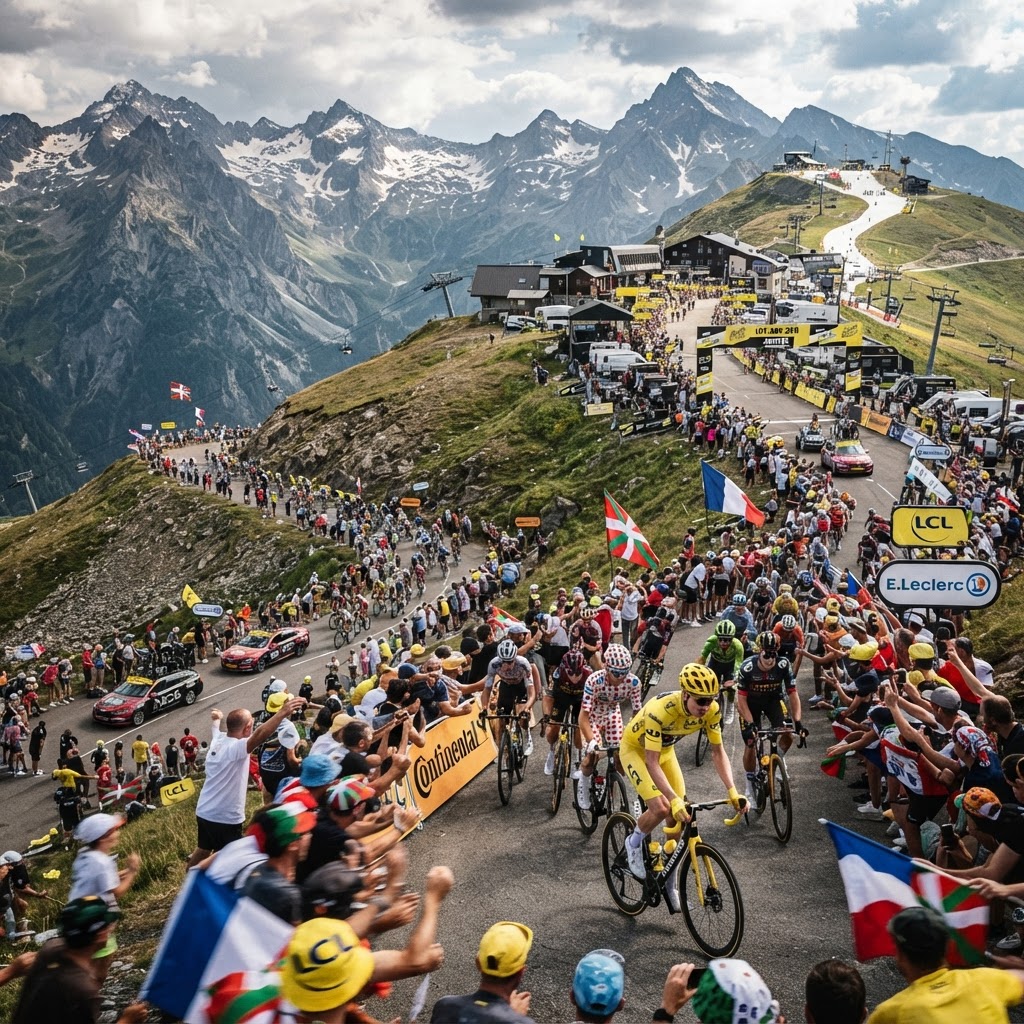
The Col du Tourmalet and the surrounding Hautes-Pyrénées offer some of the most legendary cycling climbs in the world. From the iconic Tourmalet summit at 2,115 metres to the dramatic cliffs of the Col d'Aubisque, these roads have crowned Tour de France champions for over a century.
Whether you're chasing a personal best on the Tourmalet, exploring the quiet beauty of the Hourquette d'Ancizan, or tackling the savage gradients of the Col du Portet, the Pyrenees offer a climb for every cyclist. Use our trail guide to find the perfect ascent for your fitness, experience, and ambition.
Best Bike Trails in Tourmalet
Best Bike Trails in Tourmalet for Every Ride Style
For the Climber
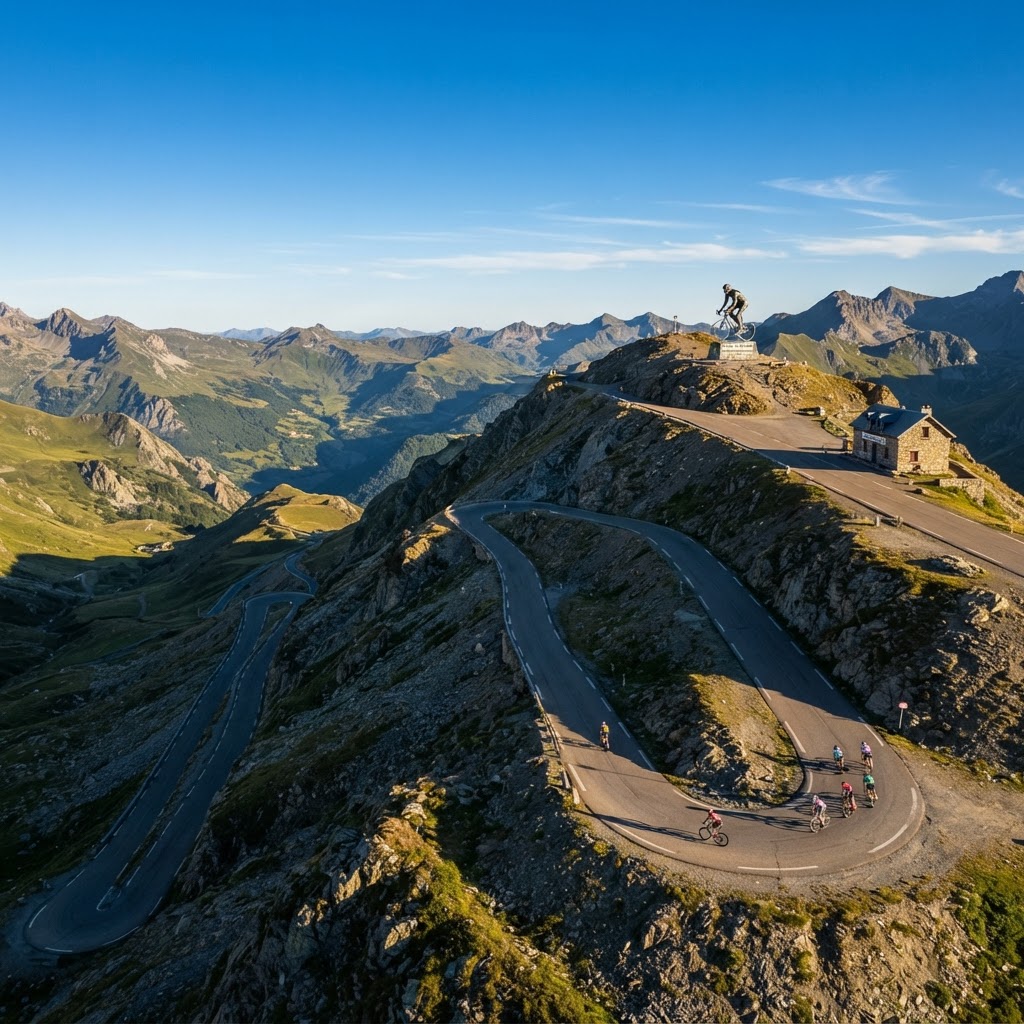
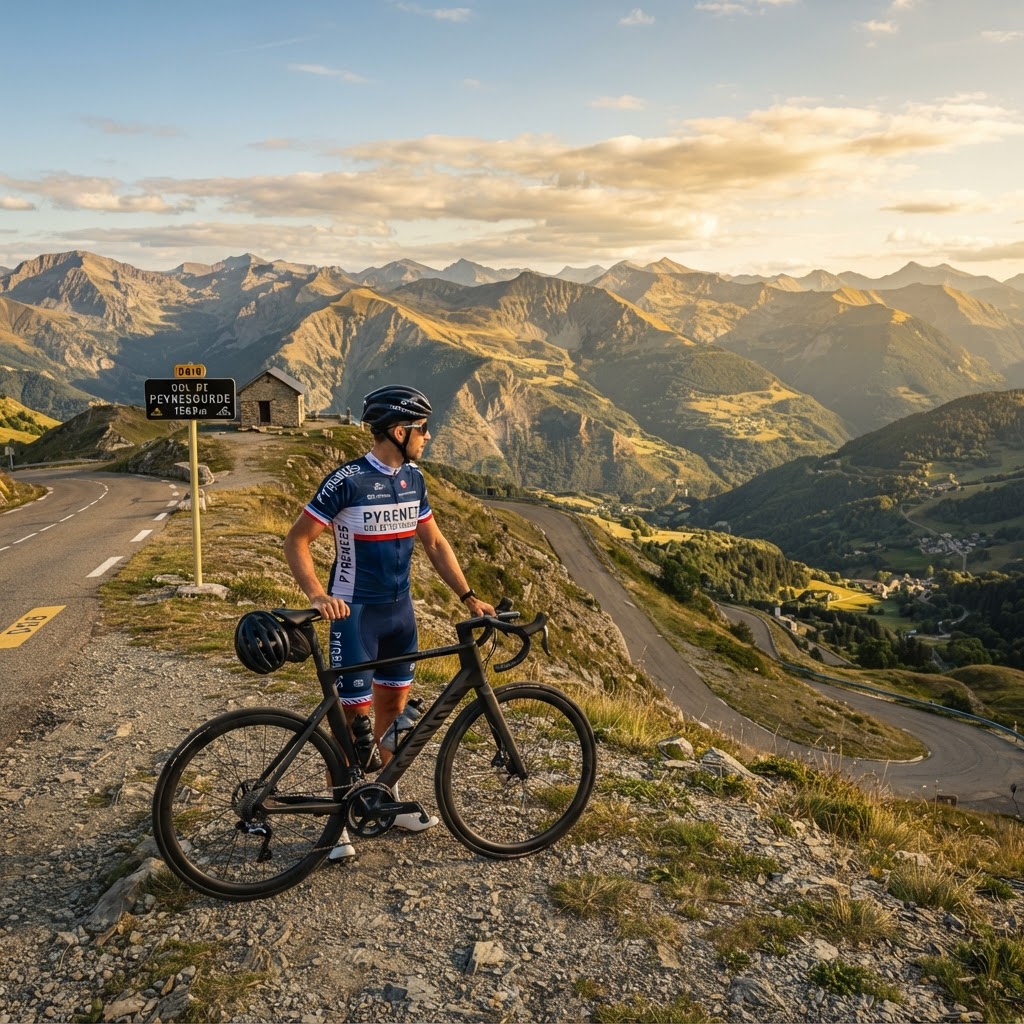
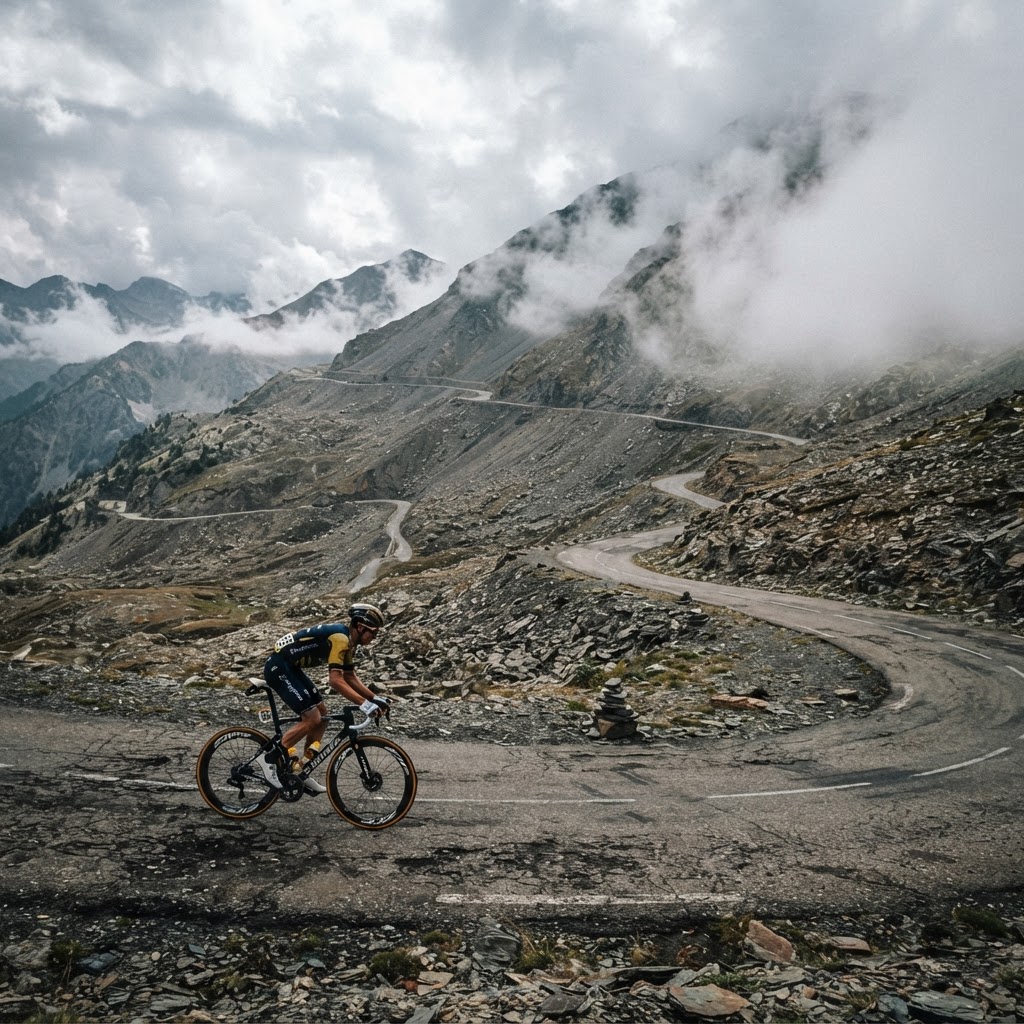
The Col du Tourmalet (2,115 m) is the ultimate test. The western approach from Luz-Saint-Sauveur covers 19 km at 7.4%, with the final 4 km reaching 10-12%. Pair it with the Col d'Aspin for a classic loop.
For the Adventurer
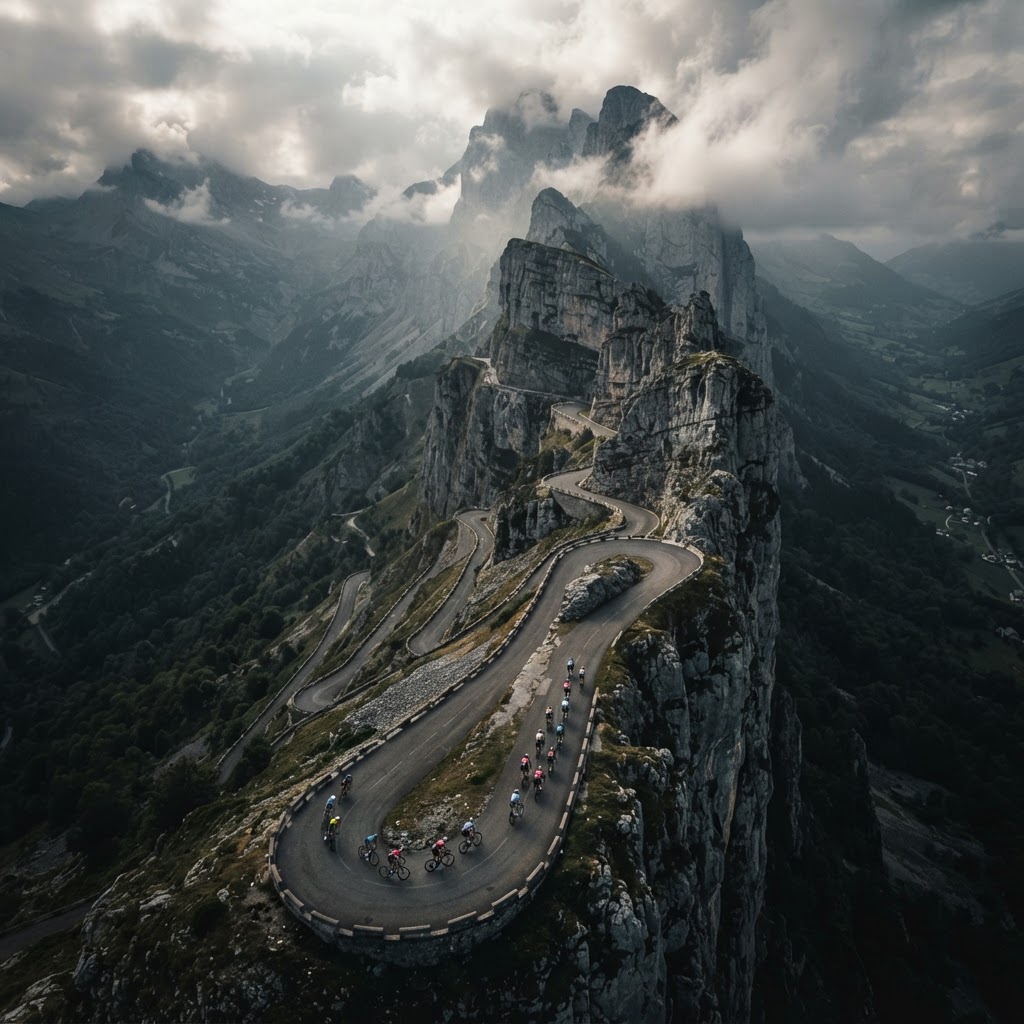
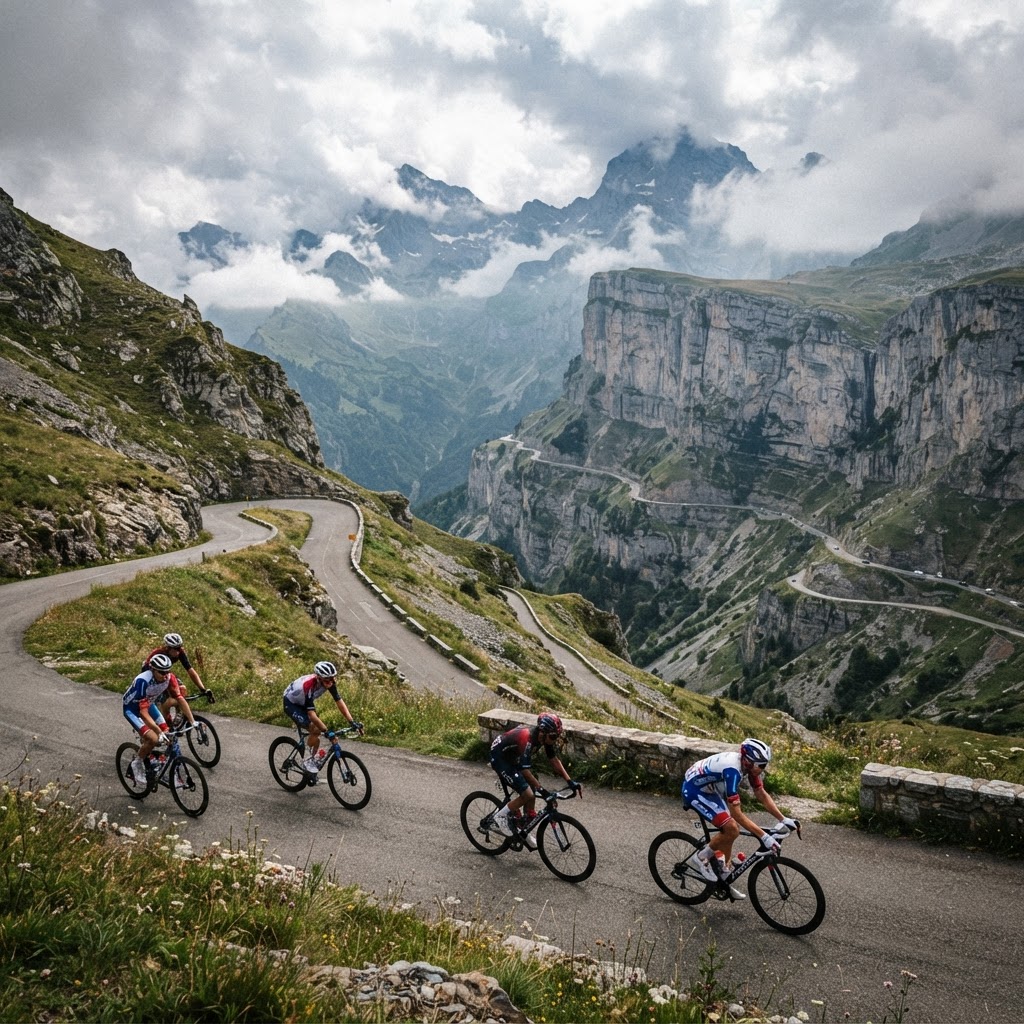
The Col d'Aubisque and Col du Soulor loop is one of the most spectacular cycling experiences in the world. The Cirque du Litor — a road carved into the cliffside — is unlike anything else.
For the Scenic Rider
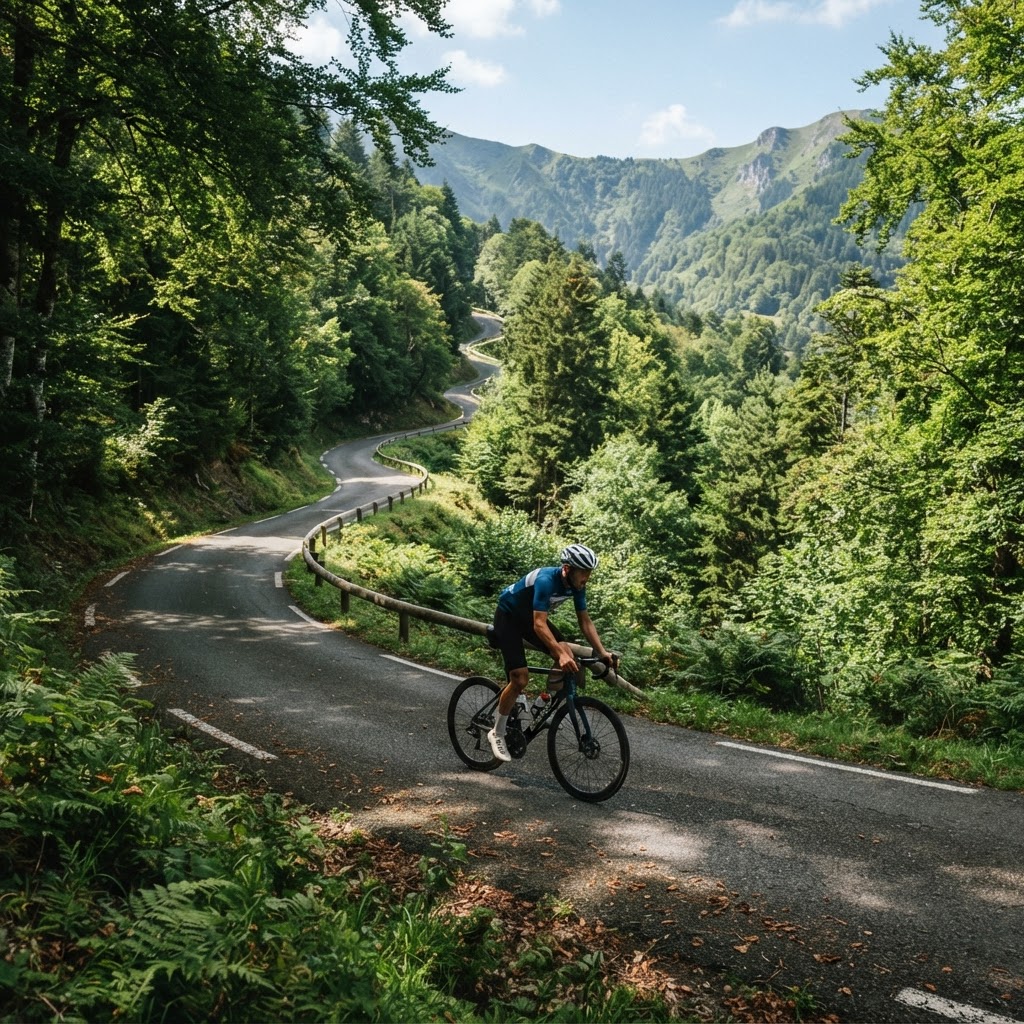
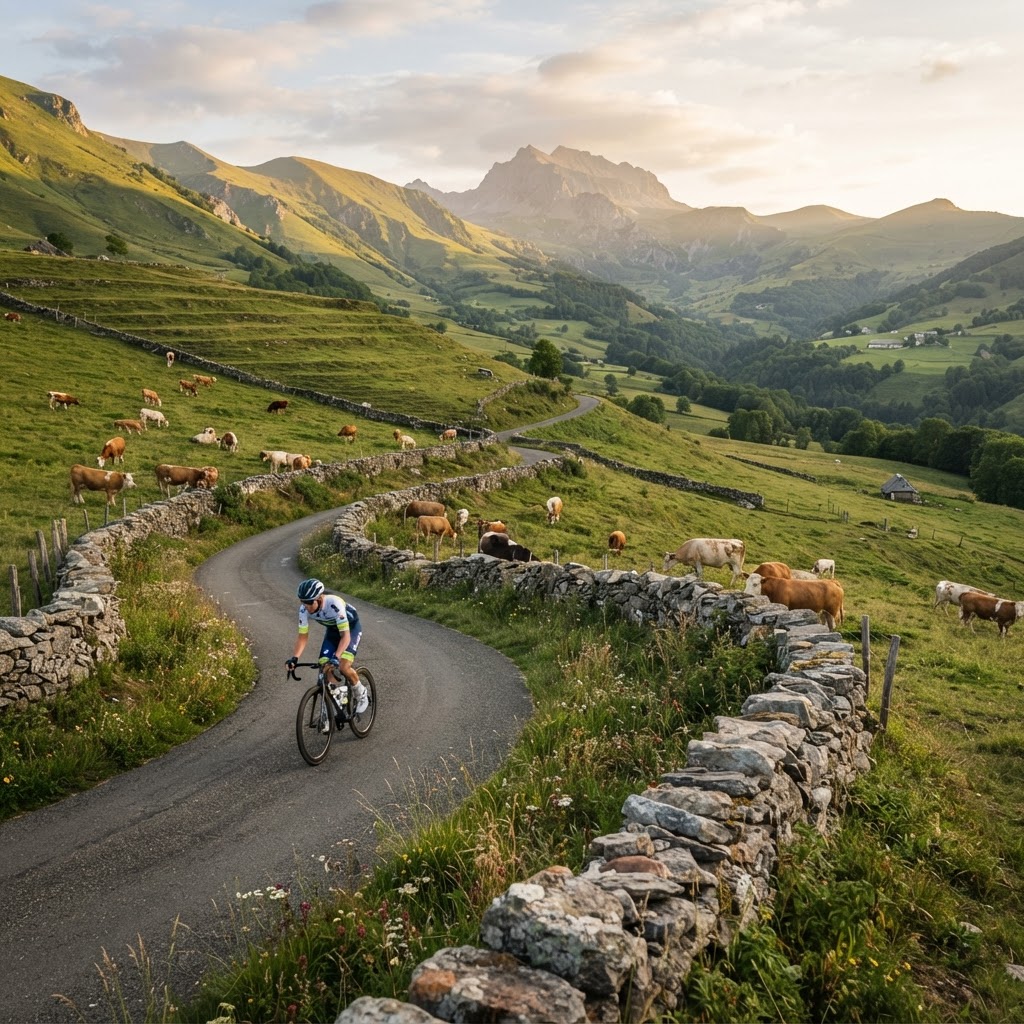
The Hourquette d'Ancizan offers a quiet, pastoral climb through rolling green pastures with stone walls and grazing cattle. No crowds, no drama — just beautiful Pyrenees cycling.
Types of Tourmalet Bike Trails to Explore
Safety Tips
Always wear a helmet and carry a basic repair kit. Mountain roads can have gravel and livestock — scan the road ahead. Brake before corners, not during them. Let faster riders pass on descents, and never take risks you're not comfortable with.
Weather Considerations
Pyrenees mountain weather changes rapidly. The summit can be 10-15°C cooler than the valley. Afternoon thunderstorms are common in summer. Check the forecast before you climb, and be prepared to turn back if conditions deteriorate.
Terrain Type
The Pyrenees climbs are paved mountain roads with varying gradients. Some have tight switchbacks, others are steady grinds. Surface conditions are generally good, but shaded sections can be slippery. The highest cols go above the tree line into barren, rocky landscapes.
What to Know Before Riding in Tourmalet
Before tackling the Pyrenees climbs, check that the roads are open — the highest cols (Tourmalet, Portet) can be snow-covered until June. Always check road conditions before you go.
Mountain weather is unpredictable. The summit can be 10-15°C cooler than the valley, and conditions can change rapidly. Always carry a lightweight rain jacket and dress in layers.
Bring plenty of water and nutrition — there are no services between La Mongie and the Tourmalet summit. Plan for 2-3 hours of effort on the big climbs, and eat before you're hungry.
How to Choose the Right Tourmalet Bike Trail
Choose your climb based on your fitness, experience, and goals. If you're new to mountain climbing, start with the Col d'Aspin (12 km at 6.3%) or the Hourquette d'Ancizan (9.7 km at 6.5%) — both are steady, achievable climbs.
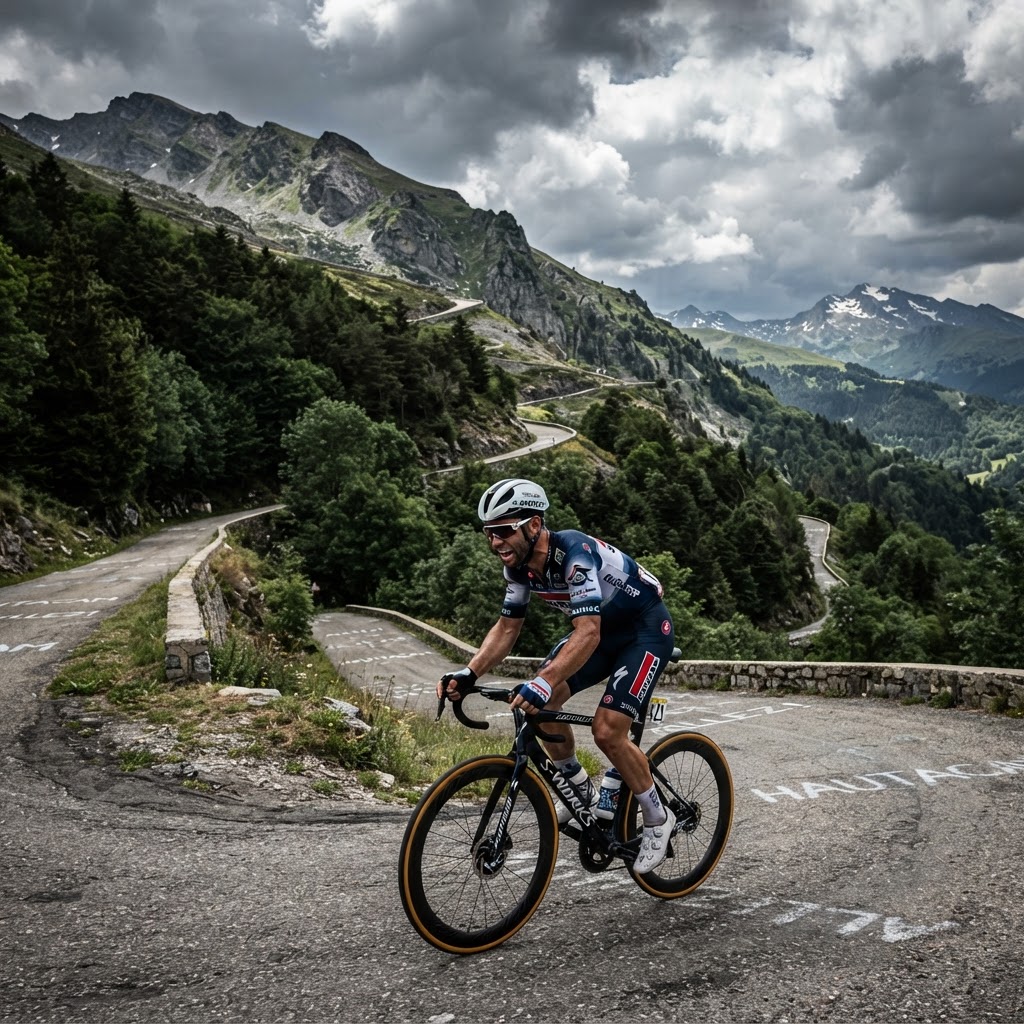
If you're an experienced climber looking for a challenge, the Col du Tourmalet, Col du Portet, and Hautacam will test your limits. The Portet averages 8.7% for 8.4 km, with the final 4 km above 10%.
Consider combining climbs into a loop. The classic Tourmalet-Aspin loop, or the Aubisque-Soulor circuit, offer a full day of Pyrenees cycling with multiple summits.
Other Tourmalet.Bike Resources
Find Bike Shops Near Trails
Need to rent a mountain bike, get a quick repair, or grab gear? Check out our guide to the best bike shops in Tourmalet.
Join a Group Ride
Want to explore trails with other cyclists? Connect with local riders through our Tourmalet mountain bike group rides directory.
Plan Your Next Route
Use our AI-powered Route Planner to map your perfect alpine ride.
Frequently Asked Questions
When is the best time to cycle the Col du Tourmalet?
The best time is June through September, when all cols are open. September is ideal — crowds have thinned, weather is still warm, and all roads remain open. May can work for lower cols, but the Tourmalet summit may still be snow-covered.
Do I need a special bike for the Pyrenees climbs?
A road bike with a compact crankset (50/34) and a wide-range cassette (11-32 or 11-34) is ideal. If you're not a strong climber, consider a sub-compact or an e-bike. Don't be too proud to use easy gears — even the pros use them.
Are there services on the climbs?
There's a café at La Mongie on the Tourmalet, and small villages at the base of most climbs. However, there are no services between La Mongie and the Tourmalet summit, or on the upper sections of most cols. Bring enough water and food for 2-3 hours of effort.